Episode Transcript
[00:00:00] Speaker A: Welcome to Restaurant Talk, the podcast where we get real about the wins, the struggles, and everything in between when it comes to running a restaurant. I'm your host, Susan Tung, restaurant owner, industry advocate, and someone who's been in the trenches just like you.
This show is all about honest conversations that help you work smarter, not harder. We'll dive into stories from operators, share practical tips, and explore tools that can make your restaurant more profitable and sustainable.
Restaurant Talk is proudly produced by Save Fry Oil, the team behind Frylo, a game changing Japanese ceramic technology that helps you cut your oil use by up to 50%.
I'm serious, 50% fry at lower temperatures and plate lighter, crispier food, all without any extra labor or complicated equipment. If you're tired of wasting time and money or oil, you are in the right place. Let's get into it.
Okay.
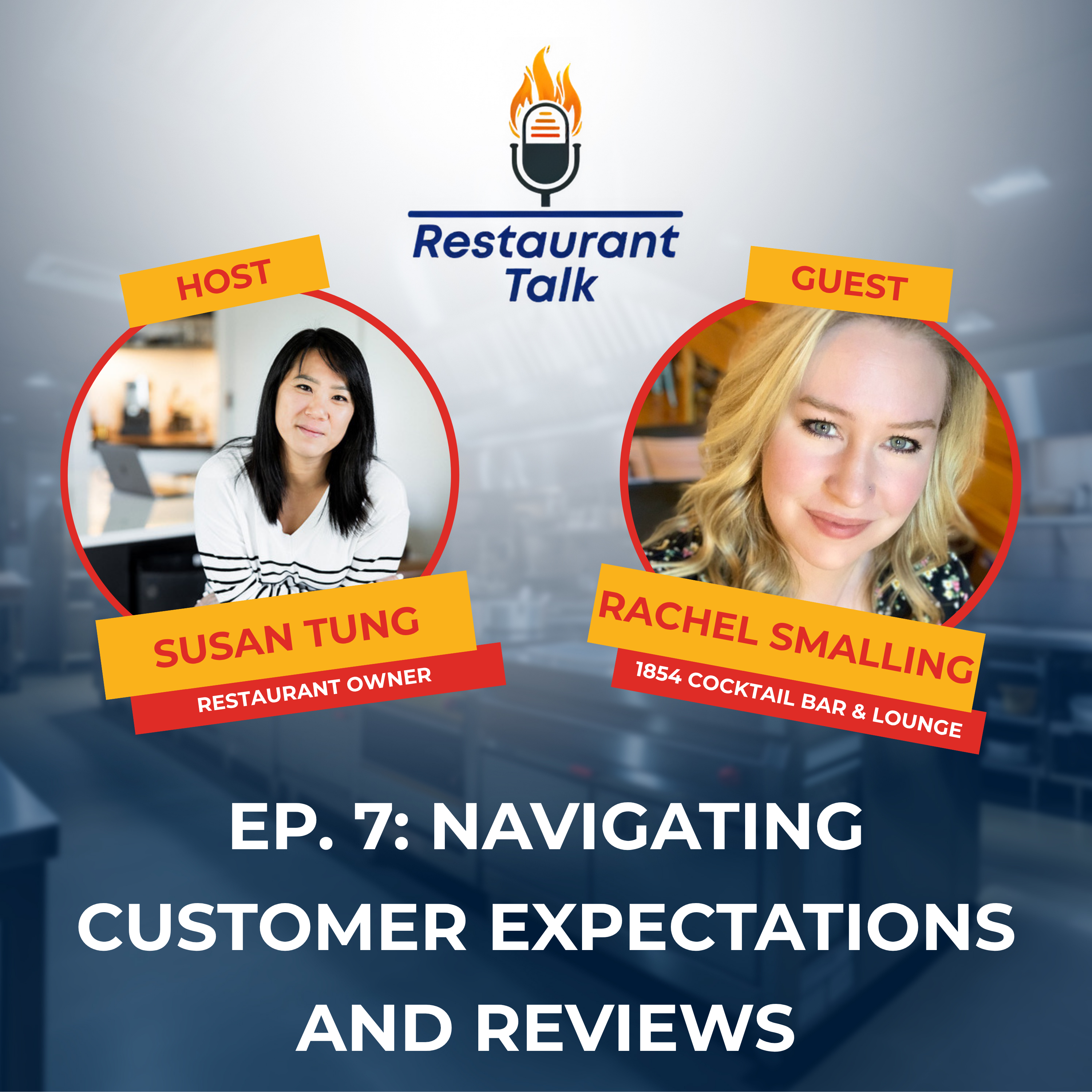
Today I'm sitting down with Rachel Smalling from Cookeville, Tennessee. Is that correct?
[00:01:13] Speaker B: That's correct.
[00:01:14] Speaker A: Amazing. Rachel. You know, I've never heard of Cookeville so many times, like I told you in the last month, because we have like a mutual connection as well. Right, Jeremy?
And after I found out that you were from Cookeville and he was from Cookeville, I actually went on Google to see what the population size was. Just I was like, oh, maybe it's a big metropolitan city that I've like never heard of.
But your population's only like 30,000 or something like that, right?
[00:01:40] Speaker B: Yeah, that's correct. So the city population is probably what pulled up. However, we're what they call, when I used to write grants, they called it a micropolitan community, which is a fancy word to basically say we're the only place in kind of like a desert around us. So we serve a community of about 160,000 people. So while only 30,000 people live in the city limits, about 160,000 between 9 and 5am are actually in the city. So.
[00:02:07] Speaker A: Wow, that's, that's quite busy then.
[00:02:10] Speaker B: Yeah, it's a very bustling little town. Lots of great, lots of great local spots and lots of community.
[00:02:17] Speaker A: Nice. So for our listeners, tell us a little bit about who you are and what you do.
[00:02:20] Speaker B: Yeah, absolutely.
As you said, my name is Rachel. I am almost two, we are turning two next month. Almost two years into running my cocktail bar and lounge in the downtown area of Cookeville. So, you know, still learning a lot, still, still having great days and, you know, terrible days and all of that comes with it.
My background is I'm actually, I was a non profit director. I worked for a Symphony Orchestra for 10 years before kind of going out on my own.
And going out on my own really kind of started about five years ago when my partner and I opened our first motel property. So kind of getting into that hospitality scene.
And then we bought another motel about four years ago. Three, four years ago.
And then that, with that basis, it just kind of gave me the courage to leave my day job and jump out and try something new and scary.
[00:03:15] Speaker A: So why motels?
[00:03:18] Speaker B: It was more of an opportunity situation.
I had always loved hospitality. I've been hosting Airbnb since 2013. I was actually, I think one of the first, if not the first Airbnb in Cookeville.
Just ran it out of my house. I loved that aspect of, you know, introducing new people to our town and what we had to offer and hosting. So that kind of piqued my interest for sure.
But then the motels are really just opportunity. My partner is, he's a contractor and we had a great opportunity to buy a property at a fantastic price and were able to renovate it all ourselves. So, you know, we didn't really know what our plan was when we took on that project. We didn't know if we were going to continue to operate or if we were going to flip and sell, sell.
So after we, you know, kind of got it launched and got into it, I was like, you know what? Okay, you know, we can, we can handle this with everything else we have going on. So we set it up in a way that is basically hands off, you know, all online bookings and things like that.
[00:04:18] Speaker A: So nice. That's awesome. So you don't actually have an attendant there? Is that how that works?
[00:04:24] Speaker B: Not at that property. My larger property, I do have a full time manager and a full time on, on site staff. So that property is a bit more hands on and a little bit more unwieldy. But I have great people up there kind of helping me out.
[00:04:37] Speaker A: So that's great. And at what point were you like, now my next project is going to be a cocktail bar. How did we get there?
[00:04:47] Speaker B: Yeah, I had actually never even worked in a bar or restaurant before I opened this place, had never worked in food service. So obviously people kind of looked at me like she's, she's lost her mind. Like she's actually lost it. She's cracked. Which to be fair, some days I felt that way too, especially in the beginning process.
But I'm also somebody that, like, if you tell me I can't do something, I'm absolutely going to do something, like bring it on kind of was my mentality and really the, the core of it kind of stemmed to also loving my community. You know, I'd always worked in a job that was serving me community in that nonprofit role. And it was a niche that we did not have in our town. We have a lot of great local restaurants in great local places, but a cocktail bar was a niche that we, we didn't have. And so I felt like that was. And something a little bit more upscale in the environment was something we were also lacking. So it wasn't really that I went in thinking, I want an upscale cocktail lounge. It was more one opportunity and kind of having contacts to those opportunity and then two, deciding that that niche was kind of the placeholder.
And I joke with people when they ask me this question. I'm like, yeah, you know, I had this idea and then I did a bunch of research and then I signed a lease and we started and then it was too late. And they think I'm joking, but I'm not really joking. I think that's kind of how it feels for anyone that starts a business. They're like, I don't know how I got here, but here I am.
[00:06:16] Speaker A: That's amazing.
And the concept itself is really, it's beautiful. It's. I, you know, I creeped your Instagram.
What made you go with that style?
Was it something that you've seen before or what was it inspired by?
[00:06:32] Speaker B: Of course, two of my biggest like influences on that design prohibition era choice were one, a cocktail bar in New York called the Rains Law Room at the Woodland William, which is one of my favorite bars that I go to often, but they actually have. If you go to their bar and then my bar, you're like, oh, I get it.
They have a lot of like little curtained off areas and like that kind of very like speakeasy prohibition style. Even though they're not technically a speakeasy, they're very much in that era.
So that was an inspiration because my partner and I were sitting in that bar four years ago and I'm looking around going, I think we could do this in Cookeville. Like, I think Cookeville needs something like this.
So that was a big.
[00:07:14] Speaker A: What did he say?
[00:07:16] Speaker B: He at the time just kind of, you know, went with my crazy. We were. He is also a very type a kind of self starter and extremely organized in ways that I am not. So I'm kind of the creative and then he kind of is the reality, which works really well.
But. But yeah, I mean we were like, why not Start our third business in five years. So.
But now we have taken a promise to not do anything new for the next three years is what we've given ourselves. But there's more coming.
[00:07:49] Speaker A: I wish my husband and I could make that promise. We are very similar to you, even, like, the archetypes, you know, you're like the ideas person, and he's the one that, like, gets shit done.
But, yeah, we come up with, like, a business idea every other week or every week, and then we have to, like, talk ourselves out of it because we do have two small children and all that fun stuff as well.
But I think, like, the industry is fueled by people like us that are like, I have an idea, and I want to bring this feeling to a space that doesn't have that feeling right now. Right. Like, so for me, um, I'm also in a small city where, you know, people think of Asian food as being, like, just all deep fried, like sesame chicken and whatever.
But in reality, like, Asia is a very big continent, and there's a lot of different styles of food. And I just also saw that market opportunity.
So for you, like, same idea, right? It's like, hey, there is, like, this gap in the market, and, you know, I think people would really love it if we just, like, bring this here.
What was the.
What was the reception like when you opened up and people kind of came in for the first time?
Was it what you thought it was gonna be?
[00:09:07] Speaker B: Yeah, because I am, like, an operations planner background, I meticulously kind of planned our opening to have control of every situation, which is both my best and worst quality.
So, yeah, I feel like the opening actually, as far as new concept goes, was very smooth.
Cookeville is a town also, you know, we are the first cocktail bar. So, you know, people come in with their preconceived notions of, like, I'm gonna go have dinner and a drink. And, like, that's not really our concept. So it was kind of meeting people where they were with that education base of, like, what we are. And, like, staying true to what we were was really difficult the first, you know, six months, because, of course, people want to help, and they have all these suggestions and things, and some things aren't actually physically plausible. Other things are more of, like, a moral background of, like, no, we're sticking to, you know, what we do, and we, you know, try and do it well.
So, yeah, I mean, excitement in our small town was like, people kind of. Word gets around. Cookeville also has this trend, and I think a lot of small towns Also relate this with where everyone's really excited off the beginning, so we're, you know, slammed for the first five months or whatever. And then, you know, our first summer hit and like, three weeks into summer when people are traveling and we're slower anyways, I was just, you know, sitting there basically like, oh, my God, this was a terrible idea.
You know, the. The masses basically stopped coming.
And, you know, now that I'm my second summer in, I'm like, oh, no, that's just summer, and that's just cookeville in summer. And so this year, we kind of pre planned a little bit to. To anticipate that, but, you know, it's been more steady. And yeah, as far as opening went, I feel like it went as smoothly as it could have gone, but definitely, always learning curves in there, for sure.
[00:10:56] Speaker A: Can you elaborate a little bit more on, you know, you. You mentioned how hard it was to stay true to your roots in that, like, first year and kind of like what you envision with people kind of giving suggestions?
Off the top of my head, I'm just kind of envisioning, like, people telling you to serve more food. Is that what we're talking like?
[00:11:13] Speaker B: Yeah. And that was kind of an educational basis. Like, I do not have any.
I basically am operating out of a toaster oven and a refrigerator. Like, we have a very small space for a kitchen.
So that just wasn't physically plausible. And we had to kind of just educate people on that. And people weren't really like. Because we do small plates, which are all, you know, sharers, like, you know, you kind of pick up off the plate. And so that's also a relatively new concept in Cookville too. Like, tapas was not a thing that, like, anyone had a concept of, so that was a lot of educating. But also when you're looking at, you know, the bar down the street and, you know, they always have or they seem to have great profit margins and this, that, whatever, and, you know, that their well is, you know, the cheapest bourbon and the cheapest vodka and the cheapest, cheapest mixers that they can buy so that they can keep that profit margin high. It's really frustrating when you see, like, that money coming through, but the commitment to quality isn't there.
And reminding yourself that, like, the people that want to seek that out are not your people, and your people will find you and they will care about your market.
That was really difficult because, you know, we have nice liquors and we commit to organic sourcing and, you know, blending all of our own Syrups and juices. And that's labor and that's material cost. And, you know, obviously that comes off the bottom line in the end. So figuring out where does that stuff matter and where does it not matter in the end result is kind of something. We're still playing with that balance.
[00:12:44] Speaker A: Yeah, that makes sense. I get that feeling too. Right. It's so hard to not look at your competitors or quote, unquote, competitors, I guess, and make you question yourself. Right. Especially when you see they're busier than you, but they're completely different.
Right. But it's like you're like, I want to be that busy, but at the same time, I want to be busy, you know, in the way that I want to be busy, you know, selling the things that I want to sell.
You know, an example of this would be, I've had my slow Friday nights, and then I'll go, you know, drive by on my way home. Drive by like you're all you can eat sushi restaurant. And people love all you can eat. Right. People love the big portions. They love to just stuff their face until they can't anymore.
And it's packed. Right. Like, but the food quality is not. Not as good. Right. Like, things aren't as fresh and just. It's just not the same.
And it makes you definitely doubt, like, that feeling of like, I, am I in the wrong business? Or, you know, is this really what people want?
But like you said, they're just not your customers. Right. Like, and I think part of that is just having to find your crowd and your community and the people that are like. Like what you do.
And marketing is also really challenging, especially when you're a new concept and you're a new niche as well. So not even just a new brand, you're like a completely new product. What do you do, you know, to the best of your ability to try and get your name out there.
[00:14:21] Speaker B: Yeah. I mean, because obviously your budget does not start out, you know, at the top of the threshold for advertising. So you feel like every dollar, like, has to be a return.
I think for me, as somebody who's not a patient person at all, it is really difficult to stick to something consistent because consistency is how consistent and see is how you see results in those advertisings sometimes, not always, obviously. Right. Like, I think we throwing something like, blanket out there to the community is, like, great to get our name out.
But I think that, like I said, not everyone is going to be our niche market. So how do you find that niche market?
So, you know, One, who are your customers? And if you have data sourcing, like, you know, I use toast and I use talk, which is like my reservation event platform.
So if you can, you know, go in and see who those users are, what their ages are, what their, you know, their gender, all of the demographics or whatever and figure out like who your base market is or majority of them and then like, you know, where are they spending time and money, I feel like is step one.
But then it's still a, you know, it's still guesswork. It's. It's going to be throwing your dollars at things that may or may not work, which is frustrating, but yeah. And then finding your way. I found also that really connecting with your other community businesses that might not even be in your same, like maybe not a restaurant, but maybe another business that has that same commitment to quality kind of over quantity and that can be in different realms. You know, maybe it's a boutique that that's sourcing like all organic, you know, sustainably sourced clothing or maybe it's, you know, your coffee shop where they know where their beans come from and they visit their farmers. So I think it's aligning with those businesses also.
And you know, if you can, creating partnerships or you know, things like that can be super helpful.
[00:16:22] Speaker A: I love that you mentioned that. I, you know, for us, one thing that's been really effective is up their street from me is a whole food store, not actually whole foods, but it's like a boutique style one, like a small mom and pop.
And we do a lot of cross promoting because their customers are very health oriented. And you know, there's a lot of vegans and people that are like gluten free and my menu aligns with a lot of their customers and what they want. So we often will do like giveaways together. You know, I'll go and do samplings there. And it's been so mutually beneficial. Right. And like, and I totally agree with you, like you don't have to just partner with other restaurants. Like, because there are just so many other businesses that you know, you probably do get along with and you guys also probably share like similar customers.
Do you. Is your, is your cocktail bar like near other restaurants? What's, what's that neighborhood like that you're in?
[00:17:19] Speaker B: Yeah, that's a little tricky in Cookeville as well. I don't have a little back in. I don't know if it's a trick, but something that I've found beneficial throughout my life. But basically Cookeville is set up and I think a lot of historic downtowns are this way where you have like your primary little area with all your shops and your restaurants. And like ours is basically like a little, maybe three or four block radius with that.
And then we are on technically the historic square, which from a city perspective is probably really funny to people that aren't from Cookeville because it's literally a seven minute walk from like the cute little historic. And it's not even like a, you know, it's a walk past the library and the museums and you know, to the historic square where there's us and a couple of boutiques and a couple of other restaurants. So like, yes, there is stuff there, but it's not like the primary area that people drive to when they're going out for like date night or like a Saturday out. Right.
So one of the things that I feel like is beneficial in that aspect, like maybe you're not in an area or your business, like we can't all afford the $4,000 a month of rent to be in the best walk by location. Right. Sometimes we have to start out maybe in the strip mall or on the outside of town or whatever to start your business. So one of the things that I found really beneficial is when you see those meetings or whatever pop up in your town of the downtown development group or the tourism association or whatever, whenever you seen those flyers for those events, like go to those events, because I feel like that networking is invaluable.
They're usually free and you know, from being in the community of my previous job and then always going to like saying yes to all of those things, which, you know, we all have limited time and resources and I realize that sometimes you just need to stay at home and like stare at the wall and you can't handle another social interaction. I get that.
But through that, you know, I've kind of ended up on some, some boards and some, some leadership positions in a way that's developing our downtown community that benefits the community, of course, but also benefits like my business and connecting that area to the primary downtown.
So I think things like that are always. And that isn't something that you join and you're like, yep, I made changes that are great. You know, that's, that's five, that's ten years. But I feel like it's always beneficial in the long run.
[00:19:42] Speaker A: Yeah, I, I think people don't really realize as restaurant owners or bar owners, our job is.
They don't, they don't realize this, but it's really to build relationships we are like the face of the business, especially when it's a new concept and you're trying to, you know, promote from scratch and you don't have a big marketing budget, like our biggest skill set and, you know, like, the most important thing we can do is build relationships with our community. Right. It's not just.
It's not just with customers. It's with people that are not your customers, that might be customers one day, or the vendors or even future employees or the schools where they're going to breed children or teens that want to work in the industry.
We're constantly having to nurture these relationships, even though they are not going to give us a return, like, directly or right away.
And the more, I always believe, the more relationships you build, the, like, you know, the more people you know and the better you portray yourself in the community.
In the long run, that is the most powerful thing you have for your business.
[00:20:59] Speaker B: Yeah.
[00:20:59] Speaker A: Because people are gonna, you know, when they. When they.
When it's time for them to decide where they want to eat, do they want to eat at the place where they know the owner and she supports a lot of local organizations and takes care of their employees and, you know, does all this stuff. Or are they going to go to a similar restaurant where they've never really seen the cook? They don't know who that is.
You know, they don't really post on social media. Like, they're just like, kind of, you know, in the shadows.
I think that's really important. And I think the biggest challenge for a lot of people is not seeing that tangible ROI right away. It's having to invest in your community, which can be painful. Right. Because you still got to pay for those empty seats that are in your. In your building. Right.
[00:21:42] Speaker B: Yeah. And sticking. That's. That goes back to that patience and doing it right thing, you know, where genuinely caring about your community and the people around you. Yes. As an eventual, like, you know, payoff or you hope or just that community building. But also, you know, just to be a good business and steward in your community, I think is just so helpful. And. Yeah. You know, I also tell myself that maybe that store that you mentioned that's down the road, that they don't know the owner, or maybe it's like a big box store, like, you know, a commercial restaurant or whatever.
If those people are going to choose that restaurant because they are $5 cocktails instead of $10 cocktails, that's okay. Like, they're not my people.
And if those people, you know, do come into to our space. We're obviously, you know, welcoming and, you know, educational and want to create that relationship. But if we're not their thing, like, that's okay too.
You know, I wouldn't say I'm a people pleaser, but I definitely want everyone to like the product that I put out. And some people don't, or they don't understand it or there's not their thing and that's okay. Like stick to your, stick to your gun, Stick to what you love and what you're doing, doing, and I think the right people will find you.
[00:22:52] Speaker A: Sorry, did you have this mindset early on or was this a mindset that you had to develop over time?
[00:22:59] Speaker B: Early on, I think I just naturally, I'm, you know, just tend to bulldoze through things and like, you know, it, it is what it is.
You like me or you don't.
So that natural mindset has been early on, but definitely the letting go because when it's your business, it's your baby. And when someone says something negative or leaves you even, you know, my.
One of my dear staff members who works for actually all of my businesses, but I couldn't do it without her.
But you know, I sent her this text of I went above and beyond for this person and did all these extra things and then they left me a four star review and she's like, Rachel, like four stars is not bad. I'm like, yes, it is. Like 4 stars is bad. I am a 5 star business.
Like so, you know, it's, it's letting go of things like that. Because I think holding on to that just hold you back and not holding on to those things is still a work in progress for me.
[00:23:57] Speaker A: Yeah, it's. And it's funny because it's all perspective, right? Like they might have just been one little thing that you like, can't even control. Again, the one to five star rating is so subjective. And. And also the fact that anyone can leave a review, like literally a child can leave a review. And like, what does that really mean? Right?
The other annoying thing is I find you can have one bad review, but you could have all these people that love you and don't leave a review. And that's the other challenge and like kind of a game, right? Like you can have a lot of people that love you, but don't leave reviews. So then when you get bad people that leave a review, you know, are the ones that don't like you. Like, it just seems like they're more amplified in that, like, dislike for you. But meanwhile, you have literally, like hundreds of thousands of people that, like, are cheering you on just in silence.
[00:24:51] Speaker B: Yeah, exactly. And, you know, I have to tell myself as well, like, as a consumer, when I read reviews or look at products online, I kind of think the 1 stars are funny. When it's.
When it's like the person that's clearly, like, delusional or was not in, you know, reality.
So I just have to tell myself that, like, the right customer base and like, people with, you know, sanity are also going to view that the same way. So.
[00:25:18] Speaker A: Yes, for sure. And the thing is, like, yeah, though how you respond is way more important, right? So that you can state your side of it and just be very transparent about, you know, what actually happened. I'm. How do you find the reviews of, you know, your motels versus your restaurants? What do you see any differences or similarities?
[00:25:40] Speaker B: Yeah, for sure. I think the motel side is way harsher.
People I used to, when I started, you know, hosting or when we first started out, it was like maybe 1 in 100 people that were difficult or just didn't, you know, have expectations within reality.
So I basically just doubled down on this is what we are. This is what to expect. I am not trying to be the Ritz Carlton. We are a roadside motel that has been refinished to be cute, convenient and affordable. Like, those are our things.
We are not going to be your full service establishment. You are not going to, you know, have the luxuries of a $500 a night cabin, because we are not a $500 a night cabin. However, you still get the people that have those expectations of that $500 a night place, but they want it for $120 a night. You know, so meeting those expectations or figuring out, like you said, how to respond to those people has been my biggest challenge. So I essentially have two rules for myself. One, if it truly is not, or we've had instances in the past where somebody wasn't even a guest, they were a competitor, or they were a previous owner's, you know, family member that was mad that they couldn't stay there for free anymore.
So in those instances, I always try and involve the right channels, like reporting it to Google or wherever they've, you know, left a review. Sometimes that's a dead end and, you know, you just have to respond and put that out there anyway.
I also always give myself like 48 hours before I respond because I tend to be like, oh, you want to go? Like, let's go.
[00:27:20] Speaker A: Yeah.
[00:27:21] Speaker B: No, I can't do that in my business. So I always give myself a good two days to just kind of, like, cool down and try and look at things from their perspective. And sometimes there is no reasonability from their perspective, but sometimes there is. You know, like, sometimes you're like, oh, well, yeah, they left a huge mess, but they also didn't have, you know, we didn't leave. Leave a broom or a vacuum for them to access to clean up while they were staying. So, you know, maybe they do have a point there. So just always being reflective and trying to understand perspective, but then also that balance of sticking to what you do and just making sure people are educated on what you do.
[00:27:58] Speaker A: Yeah, I think what you said, like, the balancing reality versus, like, expectations is really important. Right. You know, when people walk in the door, they already have a preconceived notion of what they're expecting. Right. And I literally had one person. So in my establishment, even though I have an Asian restaurant, I hire a lot of white people. It's actually predominantly all white because of my.
Where I live.
And, you know, I literally had a customer walk in and say, you know, as soon as I walked in, I was disappointed. It's like, oh, okay, well, you're. You're basically just discriminating against their skin color. But, like, that's fine, I guess. Reverse racism.
Reverse racism is alive and well as well.
But, yeah, again, everyone's entitled to an opinion, like, what can you do to really change their mind except just put your best foot forward, be incredibly kind and helpful, and, like, literally just do the best to your ability. Because I. I can't. I can't change your mind and change your perception and reality.
So that can be really hard. I. I would envision, like, yeah, motels can be challenging in that they just come once and, like, they're gone. Right. Because they're really just passing through. Whereas I find with restaurants, like, because we're in the community, we have more opportunity to kind of, like, redeem ourselves because, you know, they might see us at another event or you might be networking with them, you know, in some other community group or whatever. So it's. It's like, you know, you. You're. You can still redeem yourself, but, yeah, in a motel, definitely. Way more cutthroat, I would envision.
[00:29:36] Speaker B: Yeah. And just, you know, people are gross. Like, it's. I won't get into that, but they're. Yeah, the. The expectation of, like, what they leave behind versus what they expected is just, like, continues to baffle me. So in that aspect I'll just say, like, find yourself a therapist that you really love.
Like, because there's no other way around it. I also tell myself, you know, the people that are going to leave those negative reviews or the feedback, or maybe even the people that have good intentions in leaving you suggestions, like to the restaurant owners listening or, you know, the small business owners, maybe I can ask you this, Susan, you. Would you ever go into someone else's establishment and like, your first visit, make recommendations on what they should be doing?
Like, no, we would never do that because we know that, you know, if this is a well thought out, like, you know, successful business, that all of those things that you're going to mention have probably already been thought about and probably already been, you know, called in one way or another or discussed or, you know, so I have to tell myself as well that the people that are bringing forward those negative reviews or those, you know, opinions on how things should be done have never done anything difficult in their lives.
So, like, that kind of keeps me sane as well. Like, this is somebody who, while they might mean well or maybe they don't mean well if they're gonna put down all of your efforts and all of your, you know, community involvement and what you've done to, you know, for the motel, there was nowhere to stay previously. That was an updated, affordable location besides the marinas.
So for me it's like, okay, I put this better thing into the, the community. And then you want to come in and say, like, oh, we didn't have eight towels, we only had six. You know, so you're gonna leave me a two star review because of that? Okay. Like, you've just never done anything difficult in your life and like, we will not be welcoming you back. And then, yeah, like, you just go about your day, you know, like, you can do what you do.
[00:31:29] Speaker A: Yeah.
Speaking about therapists, do your, you and your husband work closely together? What's that like now?
[00:31:37] Speaker B: Yes, in the beginning stages and you know, we co own, quote, unquote, three businesses, but for us it's more of a unique situation where he has his own business that he runs day to day, eight to five with his family. So it's a family run business.
So that's, you know, our primary income source, which I think is so important. I think you and I talked about this last time too. To have that stability while you're in the unknowns of your friends first, you know, year or two, or maybe even three, depending on where you are before you're really seeing like success and profit margins. So yeah, we, we collaborate on big decisions. And I say that he's my maintenance person.
[00:32:16] Speaker A: Yeah, that's my husband.
[00:32:18] Speaker B: He hates that role. But you know, he always comes in and he's like, have you thought about this? I'm like, well, I guess I'll have to put in a request with maintenance, you know, so he just doesn't say anything all the time because he doesn't want an extra, an extra job for himself. But no, he's, and we, we co. Manage really well, I feel like. But you know, I always say that instead of that couples therapy that they make you go to, we're actually not married, but we've been together for six years and we own three businesses. So I say that we're more married than most married people.
But I always say that instead of all that couples therapy that they make you go to before you get married where you just, you know, talk about your, your how you communicate and all that. No, like screw that. Make somebody renovate a kitchen together, make them do a really hard three month renovation where they have to like be tired and dirty and make decisions and like, you know, spend money. That's the true test right there.
[00:33:11] Speaker A: So yeah, money is, money's the big one. Right. Like my partner and I, we from the get go have always spoke about money and how much we have. And I think it's hard for people that don't have a lot of money. And that's where the challenge is, right? When you don't feel equal. But because of our, you know, previous backgrounds and our careers, like, you know, we were very comfortable with talking about money.
I think the heart, I think the hard part with marriage is, you know, when kids are involved. Right. Because then like I forget, do you have kids?
[00:33:46] Speaker B: My partner has a 10 year old, so I have a stepson.
[00:33:47] Speaker A: Okay, yes, I remember we talked about this. But like when a child is involved, right Then it becomes, okay, well who's responsible for like now we have your businesses and the kids and whose time is going to get sacrificed to deal with like the, the non business stuff? That's really hard. I, and I really understand why so many people get divorced in like the first few years because they now have to have these difficult conversations that never came up pre marriage.
But same thing with business. I think when people go into a partnership, you know, in restaurants, see it all the time. I don't think partnerships ever really work unless you are like emotionally invested because you guys are together.
But you know, you and a friend, you're like, let's Open this business together and. Because it'll be fun. And when you love doing this, I love doing this.
We always think about the good parts first, but then, you know, it just takes one disagreement for things to start unraveling.
And if people aren't good at having tough conversations, it becomes passive aggressive. And then people aren't meeting each other's expectations.
Totally. Like, what a nightmare, right? Then you have to buy someone out or the business just shuts down.
I always tell people, like, if you can go, if you can do your business on your own, like, you should totally do it and then figure out some kind of, you know, whoever's, like, not really actually as invested financially like, you figure out some kind of other plan. But, you know, for people to be like, yeah, we're 50. 50. It's like, okay, no one's ever really actually, 50, 50, like, someone has to make the bigger decision or be the final say.
But yeah, when it comes to, you know, partners or marriages, usually the woman has more. Like, generally, the woman probably has more of the same.
[00:35:35] Speaker B: Yeah, I agree. And you know, from my perspective, like, yes, I'm still in that early earning stages, and yes, the bar pays me, but, you know, know, it's not making a great salary, obviously, because we're in early stages. But I have no issues spending his money. He might have issues with that. But.
No, but back to the partnership aspect as well, because I think that's something interesting to touch on. Yeah, I have never seen that work out positively.
And, you know, I know of several I can name right now off the top of my head, like, 10 different partnerships that, you know, started out that just ended in lawyers and support costs and, you know, like, it's just. And I actually, when I was opening the bar, because I was promoting before we opened, you know, like, I was doing social media and follow us along on this renovation series, you know, for like, nine months before we opened, intentionally to kind of create that buzz. But I had several offers from well established, you know, restaurant business.
[00:36:27] Speaker A: Wow.
[00:36:29] Speaker B: Within my town, too, you know, in different capacities. Like, hey, you know, if you need help with XYZ or, like, if you're looking for, you know, this. And while, yeah, I did have lots of help from other community businesses in terms of what I had a question about. Hey, does this liquor license thing really, you know, things like that? Yes, sure. Super, super thankful to my community for their input. But when it came to actual offers of, like, partnership, you know, it's tempting because you're like, oh, my gosh, like, someone else's you know, resources to help me and their knowledge.
But then when you really sit back and think about the fact that like, you know, this person is going to have a say in your business, in my thought, I would always rather owe the bank or myself than have the pressure of owing somebody else that's a business partner. So that was just a. Yeah, it seems tempting and it seems great, but if it seems like it's great, it's probably too good to be true. And my friends that also own other small businesses, while we do the collaborations that you were talking about, like cross, cross promotion and you know, we, we use our favorite coffee shops like espresso and all of our espresso drinks and things like that, that's great. But I think actually joining up businesses with people that are, you know, your close friends or whatever, it's like, you know, keeping business in one lane and friendship in the other is super important. Unless, like you said, you know, you're, you're truly life partners and you're, you're navigating that together.
[00:37:48] Speaker A: So, yeah, very different.
I think the family, like, like I grew up in a family restaurant and that dynamic is very, very challenging. Like, you're like, you and your family unit have to be cohesive. It's so easy for like family units because they're so comfortable with each other too. Right. So they can say, they just say what's on their mind. Right. Like, like, even though your parents are the boss and you're the kid, like, I'm gonna just tell you like it is. And I would never speak to my employer like that, but this to my parents, like, whatever. Right. But then it causes a lot of problems. Fortunately, my parents and I get along very well and like, we can, we operated when they were working. We operated very, like, professionally and we could have very clear conversations.
But I, I, from the sidelines, I watch other family businesses and that dynamic is, yeah, very challenging. So, yeah, I'm always going to be the proponent of if you can do it on your own, do it and get help, but do not give up your share or your control.
Otherwise it's not your business anymore. And, you know, we open our businesses to be in control, to like, create a life that we wanted, you know, so for you, you know, you created, you know, you have the cocktail bar. So you are always working at night.
How, how is that for you? Like, do you enjoy being a night owl?
[00:39:16] Speaker B: And I, Yes, I am a night owl. And I know, like, because, you know, I follow your social media and a lot of Your other podcast stuff. And like, you're a really big proponent for that, like, work life balance, which I think is such an important voice in our industry right now because we're, you know, we're from, like, if I just put in more work, you know, I saw a quote the other day, which is this is such a Tennessee thing. But it was like, you know, if hard work truly, like paid off more than, you know, working smarter or work life time balance than like on the farm, the mule would be the richest one on the farm, you know, so it's like that kind of thought process. I'm like, oh my God, I'm the mule.
I'm tired.
But, but I think there's a balance and having that patience to see, like, okay, yes, right now I'm in the thick of it. I have to be like, you said that face to face with my customer base a majority of the time.
But then also learning, where are your staff strengths, where can they step in, where can they fill out?
And then also setting that up as quickly as possible for you to be able to take that time off. Because, yes, I'm working every week in the bar.
I do love it. The schedule change between my partner and I where he works days and, you know, I basically work nights has been the hardest thing about it on our relationship.
So we just have to be more intentional on the time that like, we do have together.
So, you know, not having screen time on the one night a week where we actually get to, you know, be off together is super important. Or, you know, planning our Sundays that are the only day off that we get. And half the time, you know, we have kiddo with us. So that's, you know, there's no fun adult time in that, that aspect either.
So, yeah, it's, it's challenging and my goal would be to eventually, you know, not have to work Saturday nights. But I knew in opening this place that that was going to be a four to five year goal, not an immediate, you know, reward, so. But setting up your staff in a way that, you know, we do go on a two week vacation every year, you know, know, so setting up my staff in a way that as long as they have what they need when I'm gone, like, they can handle it. So.
[00:41:28] Speaker A: For sure. Yeah. And I, I totally agree. You definitely going to invest your time and sweat equity in the beginning to get things like where you want to be, right? Because again, if you're building out the systems for your business, like, you have to know it the best, right? But yeah, Like, I. I think about my days of, know, running bars, and I'm like, oh, my gosh. I used to watch the sunrise every morning and get McDonald's breakfast after work.
[00:41:53] Speaker B: Not conducive to a healthy lifestyle. It's not.
[00:41:56] Speaker A: No, it's not.
And it was just, like, funny because there was a time, you know, when I lived in the big city in. In Toronto, I used to manage a bar, and I, like, I said, go home really late, but my parents were also retired at the time, and they cleaned the bar.
So my parents were, like, still integrated in my life, but they were just. They were just coming to clean my workplace because they had nothing else to do. So, like, we would cross paths in the morning because they would get up really early to come clean the bar. And I'm, like, going home and I'm, like, so tired. I'm like, you know, just waving to my parents, like, as I'm leaving.
But it. And then it's just funny because now, fast Forward, you know, 10 years later, now I have, you know, more of a Monday Friday lifestyle. You know, I hang out with my parents, and it's just like, we just, like, have to do what we have to do to.
To get through, right? And then if I were to go, and then if I were to rewind 30 years ago, you know, it was me getting on a school bus at, you know, 8:00am because my mom, you know, like, we lived in our restaurant, and she would wake me up, put me on the school bus, and then start her restaurant day and then just do it, like, over and over again. Like, just.
I think what's really beautiful about this industry is you have to, like, sacrifice, but you, at the same time can work towards a life that you want. So my parents sacrificed, they did everything they had to do, and now they get to enjoy the grandkids. And, you know, when my youngest son is about to go to daycare this year, my mom's gonna be available again during the day. So you know what she's gonna be doing? She's gonna be freaking in my restaurant making spring rolls because she's done nothing to do.
[00:43:37] Speaker B: Yeah, my mom just hit retirement this year, which it has been kind of nice to have that pull in on, you know, event weekends or whatever. And she's always happy to help out. So that's a fun dynamic. I think, also the small business, and you're really, you know, you've done this, I think, really well, but sticking to your guns and, like, building your business around your life and not the other Way around. And yes, they're give and take with that, of course. But my bar is only open to until 11:30pm like one Cookeville is like, they roll up the sidewalks at like.
[00:44:07] Speaker A: Yeah.
[00:44:08] Speaker B: But two, like 11:30pm I don't want to be my consumer's third or fourth bar of the night. Like, I don't, I don't want you. Like I do, but I don't, you know, like, so when we close up, you know, we're out of there by 12:30. 1:00am is, you know, about the latest that we're going to stay on a Friday, Saturday I night and I drive by those other, you know, the college bars that are open till 3, 4am and I'm like, those poor, poor souls. Like, you know, so setting up little boundaries like that I think are super important. Like, I didn't want to be there till 3am and you know what? I don't have to be because that's not my customer base.
[00:44:44] Speaker A: So, yeah, for sure.
The I actually like the place I sold last year was the same idea. Like we were.
We have food, but like we also focused on cocktails and mocktails and stuff. But same idea for us. We're the ones that are closing like 11:30, 12, because we don't want to be doing body shots off the bar. And I would, I, I don't want to see people dancing on my bar that, that we built. And don't get me wrong, I love those places. I grew up on those places. But you know, yeah, having those boundaries is like super important.
Tell me a little bit about the people and like your crew. What's. What's that dynamic? Like you have a small team. I remember you were saying we have.
[00:45:31] Speaker B: A very small team, including myself. It's just five of us.
This is just for the bar aspect. The motels are a different, a different animal. But yeah, it's been. I met my, I guess my head bartender or he really does a lot of our main menu creations. That's kind of his, his primary skill set.
When I first opened or had this concept, he was introduced to me by a mutual friend because he was super knowledgeable in cocktails and was kind of running like his own YouTube channel with that aspect and happened to be in my small town. So I was like, yeah, we have to meet, we have to talk.
And you know, we had an hour and a half conversation right off the bat of meeting each other that just felt like I had known him for 10 years.
So, you know, in a lot of ways he kind of has Been while he's not financially involved or committed, has been, you know, a huge creative partner for me since the beginning, which is great because I am great at like the back end management operation stuff and I can do the creative and I enjoy it. But when you're so bogged down with, like, what has to be done, getting into that creative space can be really difficult.
So having some. Somebody that has the skills and the time and the freedom to do that creativity, I think is super important.
So that was just kind of a luck thing. I also kind of think that if you put the good out there, like, the right people weirdly will find you. I'm sure you've probably found that throughout your years too. It's just like you're freaking out because somebody left or, you know, you had a staff turnover, which fortunately at my bar, we've only had one turnover since we opened, so. But that was like, you know, a trauma shock for the staff. Right. Like, this person that's been with us since the beginning is moving on to better and greater.
[00:47:10] Speaker A: You mean, you mean one person has left?
Like, just one person? Okay. In my mind, I thought you meant, like, if your whole staff flipped one time, like, oh, that's not too bad. But like, but that's really impressive. You've lost one person in that, like, you know, you're like almost years.
[00:47:27] Speaker B: Yeah. And I mean, it's. Sometimes, you know, I pay my people well and I am flexible with them. And the classic, like, millennial manager of, like, are we too nice? You know, it's like.
But it works in our small environment and we all take care of each other. We truly do. You know, like, if someone is sick or someone needs off, I've never had an issue with somebody else stepping in or, you know, if they are need off on the schedule. Half the time I don't even know about it. You know, they work that out amongst themselves and they figure it out and that's. That's great. And make. Maybe they'll tell me about it, maybe they won't. I just show up and, you know, someone else is there and that's fine.
Cross training has also been a huge thing and a big goal for us. If you're gonna operate on a slim, small crew, having everybody know how to do everything is super important.
So. But yeah, we, we have the classic, you know, my people who are in their late 20s and like I said, Bri, who works at the bar but also manages the motel for me, you know, you using their skill sets and what do they enjoy and what can they take off your plate? You know, so she's like my, my workhorse and my cleaner and she's really good at like getting things done in an efficient way.
My other person, his name's Trey. My cocktail creative. Not going to be my workhorse, not going to be my get things done efficiently, but he's going to be super creative and come up with these great ideas. And he's also super conscientious as well about like those price points and about what people are going to buy.
So. And then, you know, I have my, my old, my old reliables, my people that can, you know, Carter, we laugh at him because he's, he's 23, but he's like a 78 year old man in his soul.
And he, yeah, he's, he's a hoot. He simultaneously looks like he's doing nothing but has somehow done everything all this same time. And it took me as like a very type A, like, oh my God, did you take care of that person? XYZ do this? Because he's standing there, you know, like drinking water.
Yeah. And I'm like, did you do this? Did you do that? You know, and he's like, yeah, it's.
[00:49:27] Speaker A: Like, I don't like it. You're not, you're not as panicked as me. Like, we're not exactly.
[00:49:31] Speaker B: You, you don't look like you're as stressed as you should be. And that's stressing me out. So. But you know, it took me a good year to realize, like, I don't have to ask him. He's got it. Like, I already know that. You know, even though he looks like he's doing nothing, he's, he's got it all covered. So.
[00:49:45] Speaker A: One thing a lot of people struggle with is so, yeah, retention is one major thing. And I think you highlighted a lot of really important points on, you know, why people stick around with you. How do you find these people? What do you do to like attract good talent?
[00:49:58] Speaker B: Yeah, I mean the, the core crew in the beginning, like I said, was a long kind of really ongoing relationship with my core. Like two that I started with, with and then I kind of make. I don't poach people. I don't like go into someone's business or restaurant and say like, hey, do you want to work for me? I don't do that.
But what I do take note of because we're a smaller community is if I've gone into a business and someone has been particularly like kind or above and beyond in their customer service, I just kind of like have a little notepad that I keep notes on, like what their first name was, where they worked, etc.
Because if I ever have a job posting or available or whatever, and you know, service industry people kind of shift back and forth. Anyways, so that's how I ended up with Carter is I actually had known him from one of our local coffee shops and I distinctly remembered him because he was like the only person that acted like he gave a shit, you know? Yeah, yeah, he was the only person that like kind of went above and beyond with the customer service or like remembered your order. And so I remembered him. And when I was hiring and opening the bar, someone had suggested him to me because he was looking for another job in addition to where he was currently working.
And I felt comfortable doing that additional hire because our hours didn't conflict with that business. Right. So when he applied, I was like, yeah, like, I remember you. Like, you've got the job. He's like, I have never worked in a cocktail bar. I was like, great. Me either. Like, we'll figure it out, you know.
So, yeah, he, he's been great. And then, yeah, of course I've had to do the Indeed postings or whatever.
But actually the most recent hire that we did, which was through like an online kind of, you know, general system, which are hell because 50 people apply, you give 20 interviews, only 10 show up to an interview, only like sales.
[00:51:46] Speaker A: It's just like, it's just like sales.
[00:51:48] Speaker B: Only five seem enthusiastically to even be on the phone with you. Right.
By the end, you're like, you're like, I had all these candidates. And then by the end you're like, please work for me. I need some. But actually the most recent person that I hired was a regular at my bar, you know.
[00:52:04] Speaker A: Oh, awesome. Yeah, yeah.
[00:52:06] Speaker B: Turning regulars into staff I think is great because the reason they've applied is because they loved their experience when they were a customer. And I think that's a great perspective to have. So I.
[00:52:16] Speaker A: So you and I, we pretty much hire very similarly then. Like, you're never not hiring, right? Like, you know, you should always be on the lookout for great people. Like, not every single person is going to be always looking for a job. I mean, that's exhausting and that's not always a circumstance. But like, you're 123 year old. Like, he was in that moment, like, oh, I. I am looking for a second one. And you've already made that note.
I think a lot of people, they, they look for New candidates out of desperation. Right. Like, they're looking when it's too late. Like, no, no, you need to, like, think about, you know, like, if you were, like, recruiting for a sports team, you're, like, recruiting for them when they're young. Like, you know, they're still playing in, like, junior leagues and they're not ready to work with you yet. But you need to, like, go scouting and have your eye out, because especially if you're a foodie and you go to restaurants, they're going to take notes of the people that work around you. So, yeah, the chances of them applying at your establishment are very, very, very high.
You. What's funny is that that actually backfired on me once, though. I.
I had gone to a restaurant and this guy made a really good impression on me because he was so busy, busy, busy. And I, like, meant. And I did the exact same thing as you. I mentally made a nose. Like, I'm like, that guy seems great, blah, blah. And then, yeah, he's got it. But then when I hire. When I was hiring at my restaurant when I first opened up, you know, in 2020, he came in, I was like, oh, my gosh, I remember you from this restaurant. And blah, blah. And then what happened? Oh, man. Then I hired him. No, like, no questions asked, pretty much. Like, we had a very good interview.
But then when I hired him, he was very busy, busy, busy. But, like, not in a good way.
[00:54:05] Speaker B: Not in a thoughtful way, in. Not in a thoughtful way. Manic and gonna do, you know, whatever.
[00:54:10] Speaker A: Yeah, yeah. So I really laughed at myself because I'm like, you know, you know, you have to be observing the right things. But. Yeah, so it's not always foolproof, but if you know what you're looking for, I think that's really important. But giving a ship art is a really big conversation topic we have right now. Right. Like, with the generational difference.
[00:54:32] Speaker B: Yeah. What it is, you and I are the. The Gen Z. Like, blank stare. You know, you go like just stare. They don't care if you live or die.
[00:54:40] Speaker A: Yeah.
They just exist.
[00:54:43] Speaker B: Yeah.
[00:54:44] Speaker A: You know, you and I are kind of like similar age. And then, you know, we're hiring people that are, like, in their 20s and, you know, younger than that.
You know, what are your thoughts on the whole, you know, generational challenges and differences?
[00:54:59] Speaker B: There's. There's someone local who is fantastic. I love her. She does a lot of speaking engagements actually on this, but it's called. She calls it the sansdemic, which means that, like, we have fewer People one just because of our population decrease, but also, you know, because of COVID and how it changed things. But we have fewer people going into the workforce now than we ever have.
So I think exactly like what you're saying.
Hiring off the bat, I think like, yeah, these big corporate places, like, they just need a warm body to come and check in and show up to work. And if they've checked in and shown up to work and done their basic tasks, like, they're like, yup, check great. But on our small businesses, like, those staff make or break your customer interactions. When I'm not there, I need to be able to trust this person to have. And I don't micromanage. Like, if you've hired the right person, letting them do their own thing. Thing and create those. On relationships, I think is super important. And we all joke at the bar that we have our different, like, niches that like, really we relate to. You know, like, I'm the like women 55 and over. Like, we just, that's like, those are my people. Like, we get it right. Like, Bri is more, you know, country bumpkin. She loves like the men that want to come in and drink their beer. Like, everyone has their, their, their sect. Right. But I also think not hiring based on experience has been a super great help.
Like, sometimes I think that that's important or depending on the role that you're hiring for. But the person that I just hired is an ER nurse. She'd never worked in a bar or restaurant, but I knew that she loved our concept. I knew that her personality was the right fit on my current crew. I think that's also super important. Like, what are my holes and what am I looking for for this hire? And she's been, been fantastic. I think she's better than any industry person that I could have hired, you know, and she, she was like, I didn't know that I was. I didn't think I was even going to get an interview because I had no experience. I was like, I prefer no experience. You know, like, yeah, it's easier to, to start your habits and teach you our ways.
[00:56:58] Speaker A: Yes.
[00:56:58] Speaker B: Untrain you from somebody else.
[00:57:00] Speaker A: So, yes, I totally agree with you.
I always say, like, character, people like characters over skill any day because skill can be taught. And like being a good person, you can't teach that. Like, that's, that is stuff that, you know, you are either got it or you don't.
And like, yeah, if I see someone, someone gives me a resume with like a bunch of places. I mean, that's almost a red flag for me, depending how long you've actually been at those places. Because I'm like, yeah, bro, why were you only there for two months?
[00:57:27] Speaker B: You know, for.
I had one guy applied and looked at his resume and I was like, I think his full time job is finding another job job. Like, that's his full time gig. It's just like applying for interviews. Because like for the past, he had listed every single job for the last two years too. And it was like a different place every two months. I was like, so did you hear.
[00:57:45] Speaker A: About that guy in India that works remotely? And he actually kept like 10 different corporate jobs because there were more. Did you hear about him?
[00:57:52] Speaker B: Yes.
[00:57:52] Speaker A: Like that, oh, that guy is making like a million dollar salary.
[00:57:56] Speaker B: Well, yeah. And then he had like set up AI to do like a lot of things. I'm like, that guy is not the mule, okay? He's working smarter, not harder.
[00:58:05] Speaker A: So good.
Yeah. It's funny, there's a donut shop, like in my community and they have a job add up. I don't know if it's online or in person or something, but they are looking for servers. And this is like a donut shop. You go up to the counter and order. Like, it's not.
[00:58:19] Speaker B: It's your college kid behind the bar. Yeah.
[00:58:22] Speaker A: Yes. But their requirement is that you have to have 10 years of experience. And like, I'm just like, why, what does that mean? 10 years of experience doesn't mean anything.
[00:58:32] Speaker B: 10 years experience of what?
[00:58:34] Speaker A: Yeah, so it's just very funny that people have this, this preconceived notion of like, more experience, more years, like translate to better performance. Because it really does not. Like, and I think that, I think people are just kind of lazy sometimes with, with that they just think that, oh, they're more experienced, they're easier to train, like, less to worry about. But.
[00:58:56] Speaker B: Well, I think it's a very corporate mentality as well. Right. Like, we just need someone in this role to do this clerical data, you know, for 40 hours a week.
XYZ, you know, and that just doesn't. We've been trained to think that way because as small businesses we see that, right? Like you see, oh, the 10 years of experience, that's what I need. Or, you know, I need a degree in this. And as small business owners, I think we're really kind of starting to break the mold in that a lot more. But there's still a lot of work to do.
[00:59:25] Speaker A: Oh, yeah, for sure. And that's another challenge, right? Like for Us as, like, independent owners, you know, we, we're all just trying to figure it out, you know, and, like, some of us are more ahead of each other. Like, you know, even though, you know, you've got great experience with the motels and stuff, but, like, you're still new to this, but in five years, you're going to be different from the person that I'm talking to right now. Just like myself, I'm different from five years ago.
But we're all, like, on our own journeys, and I think the best thing is for us to, like, learn from each other's mistakes. That's why I love, like, podcasting and having these conversations. Like, because, yeah, we're, we're all just trying to figure it out because no one knows what they're doing. We're all just over here being like.
[01:00:03] Speaker B: We'Re all just, like, we're all just winging it.
Also have found that, like, there's no niche that directly, you know, for the small business owners that are listening, I think that there's no direct niche that is geared towards us. Like, yeah, you have, like, in Cocktail world, like, BCB and these big, like, cocktail conferences and, like, all of these things, but they all seem geared towards the people that are, you know, doing $5 million a year in sales. Like, none of them seem geared towards the small little guys, and we outnumber the big guys, you know, like 10 to 1. So I feel like there's. There's no cohesive. At least not that I'm aware of. Maybe there is, and I just haven't found it, even though I feel like I've been looking. But there's no, like, cohesive organization that says, like, yeah, let's, let's, you know, like, meet or have these resources or, you know, I think that they all exist within our community, which is really important.
But there's no, like, I feel like, connection between. Does that make sense?
[01:01:00] Speaker A: Yeah, yeah, for sure. And I, I, I agree. Like, when I read, I follow a bunch of, like, restaurant newsletters and they're always talking about the big guys. They're always talking about, you know, which, don't get me wrong, like, they're, they're there for a reason and, you know, where they're, they're big corporate change, they're the big restaurant groups, and they, they've done their thing, but, like, it becomes so detached from the little people that it's hard for them to see themselves in those shoes. Right? Like, they're not getting the big bulk deals from Cisco or GFS or whatever. Like, they're just going to Sam's Club and Costco, like, to buy their stuff. We. We're. We're like, in a different world over here.
[01:01:37] Speaker B: And I'm doing, like, the pickups myself, you know, battling the 400 old people on a Monday morning. So.
[01:01:44] Speaker A: It's the best. It's the best. I, I. When I go to Costco, I. I love doing my Costco run because Costco is literally two minutes from me. But whenever I'm like, you know, big cart full of stuff, I get the same thing all the time. Oh, you must own a restaurant. It's like, no. Why do I need 50 bags of limes?
[01:02:01] Speaker B: Like, no, these 900 to go containers are for me personally at home. Yeah, we're saving on meal prep.
[01:02:09] Speaker A: Yeah. Like, and the best was like. And one time I had someone say to me, like, again, I live in a very white town, and I'm Asian. Whatever. I was buying a bunch of shrimp for the restaurant, and they were like, how do you cook this? And I was just kind of like, are you asking me as an Asian person or just, like, in general? Like, I'm.
[01:02:27] Speaker B: That lady looks like she knows what she's doing.
[01:02:29] Speaker A: Yeah. I was just like, I don't know. You. You can boil it if you want. It makes, like, shrimp cocktail. Like.
But, yeah, so let's kind of, like, finish off. I would love to know for anyone that's. That would love to fall in your shoes that wants to open their own cocktail bar one day and. Or a motel or, you know, kind of wants to do what you're doing.
What do you feel like are some key success factors or key things that they should know before embarking on either. Or cocktail bar or motel kind of hospitality?
[01:03:01] Speaker B: Yeah. I think point one, you can do anything that you want to do with the right amount of resources and with the right people behind you, and maybe that's just one person.
I think anything's possible if you, you know, just put in the grit and are really passionate about it and have done the groundwork.
Two, like, release all of your expectations. Like, just let them go. All of your projections that you've done. Yes. Do those. To get your bank loan. Gotta do it, you know? But then once you start just, like, don't they don't. They're not real world. They're projections for a reason. Right.
And yeah, sometimes, maybe some months, you come close to that, but the reality is, like, that's your.
Your best foot forward, and it's not always gonna be your best Foot forward every month.
I guess three is like, you know, put yourself first. Like, it's not always possible. And yeah, you have to. You're gonna have your 60 hour weeks. It is what it is.
But overall, like, you know, just do a check in with yourself or, you know, with your therapist, if you have one of those and ask like, why am I still doing this? You know, like, is this. You know? And if you feel like you're totally drowning or, you know, whatever, then take a step back or, you know, reevaluate. How can I. How can I find solutions to this? Or who is my solution to this? I think is an important question too.
[01:04:26] Speaker A: Yeah, for sure. That's awesome. Okay. And then my last. I always kind of have the same parting question is if you could have a lifetime supply of anything that you stock on your shelves that you buy for your business, what would that item be?
[01:04:44] Speaker B: And it has to be a physical, like, inventory item.
I'm gonna go with my motels right now and say clean towel sets, because I don't know what the hell people be doing to those towels, Susan, but.
[01:04:59] Speaker A: They take them with them or them.
[01:05:01] Speaker B: They destroy them. I had a towel that was, like, cut up into little pieces. Like, I'm not kidding. They just. Yeah, it would be towels. Towels. And I think that my profit margins would increase by 5%.
[01:05:13] Speaker A: Oh, my goodness. That's wild. I wasn't expecting that.
[01:05:18] Speaker B: You thought I was gonna say, like, Jack Daniels or something.
Totally. No, I love towels. Remind me.
[01:05:25] Speaker A: That's amazing.
That's amazing. Yeah, people are. People are nasty.
[01:05:30] Speaker B: You would not. Yeah, it's wild.
Anytime my cleaner is like, you're not gonna. I'm like, I already believe it. You don't.
[01:05:38] Speaker A: Nothing shocks the worst.
Okay. Rachel, thank you so much for chatting with me today. I think you are doing a great job with your brand. And, like, I. I think your concept is so cool.
And I'm wishing you all the success for 2025 and beyond. And I look forward to chatting with you soon. I'm sure we'll be connected in the DMs.
[01:06:01] Speaker B: I think we'll definitely stay in touch and thank you so much for your kindness and your help and your giving your time to me. You know, a couple months ago in our discussion, that has just really, yeah. Helped a lot. So I appreciate you.
[01:06:13] Speaker A: I love it. Love it. That's what I'm here for. Have a wonderful day, Rachel, and we'll talk soon.
[01:06:17] Speaker B: Thank you, Susan.
[01:06:18] Speaker A: Oh, wait, before we go. Oh, my gosh. Sorry. If people are trying to find you. How do we find you? Online or your business?
[01:06:24] Speaker B: Yeah, our full name of Our business is 1854 Cocktail Bar Lounge, which you can find that on our website. And we're also on Instag, Instagram and Facebook under the same handle, 1854 Cocktail Bar Lounge.
[01:06:36] Speaker A: Amazing. Thank you, Rachel. We'll talk soon.
[01:06:38] Speaker B: Thank you.
[01:06:39] Speaker A: Bye.
[01:06:40] Speaker B: Bye.